Sub-Zero Built-In Repair in San Juan Capistrano: Sealed System Recharge
The Call from the Hunt Club
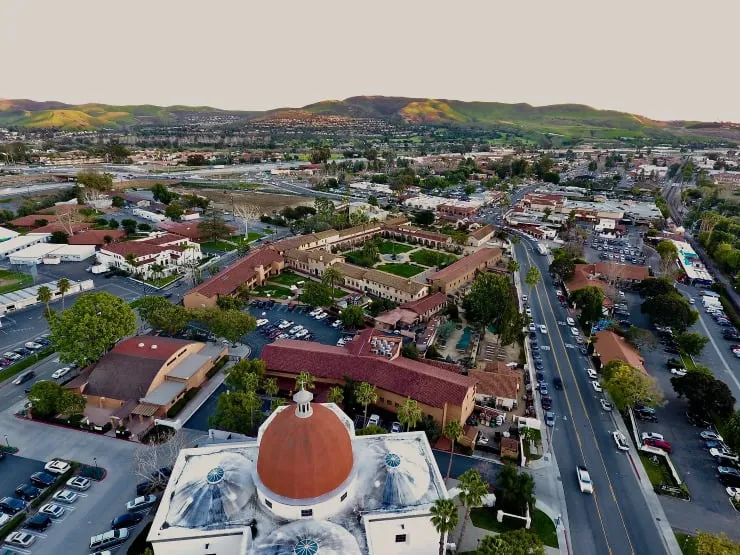
I drove out to a Spanish hacienda-style home in the Hunt Club, on the hills just east of the Mission, on a Wednesday morning. The homeowner had a Sub-Zero 48-inch built-in side-by-side — vintage I’d put at around 14 years old, original to the home. The fridge section was holding around 48°F, the freezer was at 18°F. Both sections were running but neither could hit setpoint. The compressors were warm. Condenser was clean (these homeowners had it maintained).
A 14-year-old Sub-Zero that can’t hit temp on either side, with clean coils and running compressors, is usually one of two things: a slow refrigerant leak in the sealed system on one or both circuits, or a failing compressor. The diagnostic process tells you which.
On the Gauges
Pulled the lower grille off the 48-inch unit, located the access ports for both the fridge and freezer sealed systems (Sub-Zero built-ins run independent circuits), and put my manifold gauges on the freezer circuit first. Suction pressure was reading low — about 5 PSI when it should have been in the 15-to-20 range for R-134a. Discharge pressure was also depressed.
Low pressure on both sides with a healthy compressor (current draw at the start contactor was within spec) is the signature of a low refrigerant charge. Somewhere on the freezer circuit there was a slow leak — common on 12-plus-year-old Sub-Zero built-ins where the brazed joints on the evaporator coil or condenser coil can develop hairline fractures from thermal cycling over the years.
The fridge circuit checked out fine — pressures normal, charge correct. So the problem was isolated to the freezer side.
Finding the Leak and Recharging
I pulled the freezer interior panel and used my electronic leak detector to sweep the evaporator coil. Picked up a leak at one of the return bends — small, slow, almost certainly the same leak that had caused the slow temperature drift over months. Brazed the joint with silver solder after evacuating the refrigerant safely with my recovery machine. Pulled a full vacuum for 30 minutes to confirm no other leaks and to clear any moisture, then recharged with the spec amount of R-134a by weight.
Once charged, I watched the suction pressure climb to spec, the discharge pressure stabilize, and the freezer cabinet pull down. Within two hours the freezer was at 0°F. By end of day the fridge side — which had been struggling because the shared internal airflow was compromised when the freezer couldn’t make ice — was also back at spec.
San Juan Capistrano and Older Built-Ins
A lot of San Juan Capistrano — particularly the Hunt Club, the hills off Camino Capistrano, and the older estates near Los Rios Street — has Sub-Zero built-ins from the late 90s and 2000s that are still going strong. These units are designed for serviceability, and a sealed-system repair on a healthy 15-year-old Sub-Zero is often a better investment than swapping the unit out for new. The cabinets are panel-ready and tied into millwork in ways that make replacement painful and expensive. A $700 repair on a unit that has 10 more good years in it is the right call.
For the full brand rundown, see our Sub-Zero refrigerator service page.
What It Cost
Diagnostic was $65. Sealed system repair, refrigerant, and labor came in at about $720 total. 3-month warranty on parts and labor on the sealed system work.
If you’re anywhere in San Juan Capistrano and need refrigerator service, we cover the whole city seven days a week. We’re independent specialists who service Sub-Zero, Viking, and Liebherr built-ins regularly in the Hunt Club and the surrounding hills.