Sub-Zero 700TC Repair in Huntington Beach: Drain Line and Coastal Corrosion
The Call from Huntington Harbour
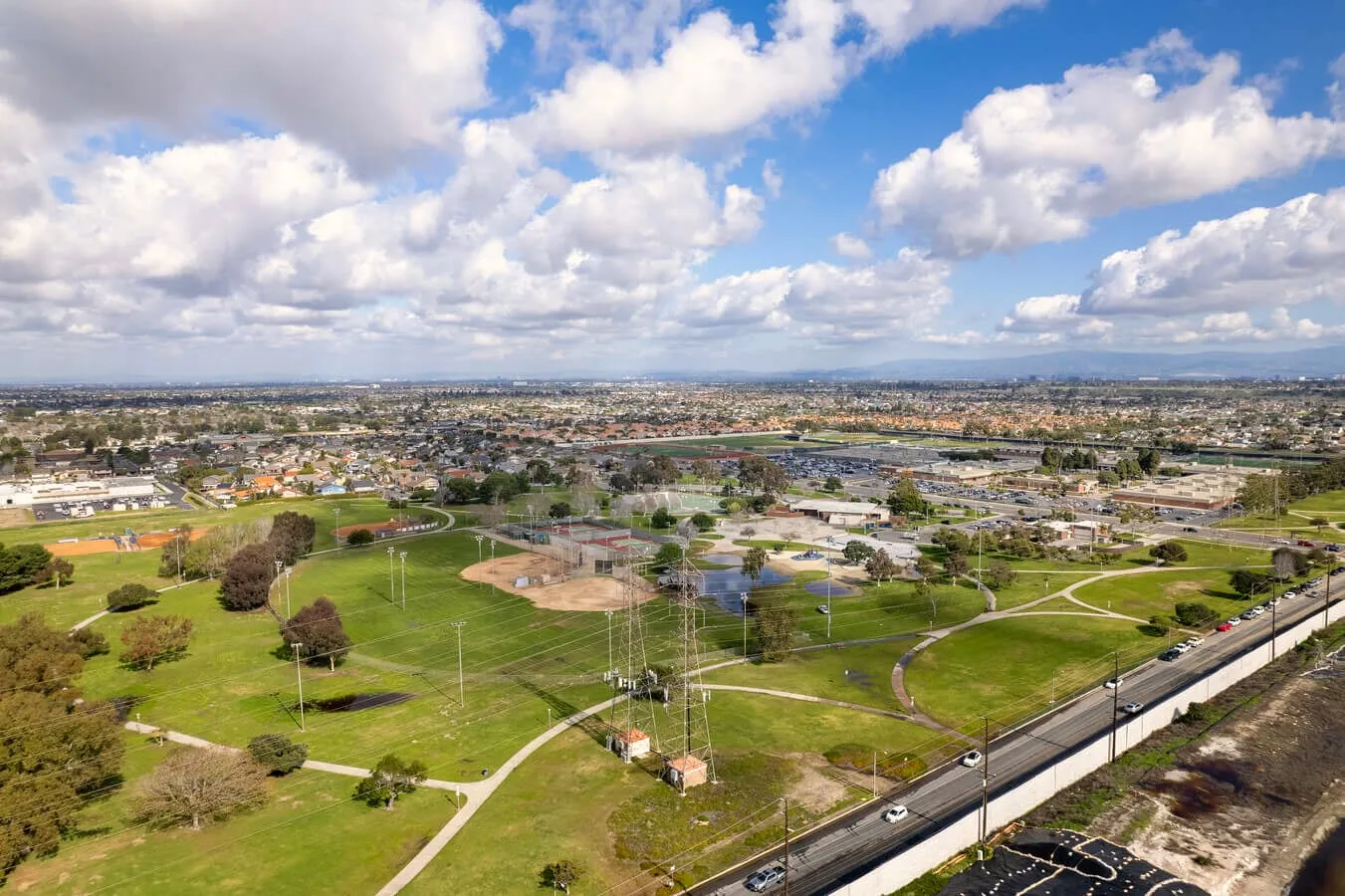
I drove down to a waterfront home in Huntington Harbour on a Monday morning. Two-story custom build right on a finger of the harbor with a dock out the back, the kind of home where you can smell the salt the moment you step out of the truck. The customer had a Sub-Zero 700TC built-in — the older style 36-inch with the freezer drawer at the bottom — installed during the original kitchen build about fifteen years back.
His complaint was water pooling at the front of the freezer drawer every few days. He’d open the drawer to grab something and the bottom of the drawer would be sitting in a quarter inch of water that would refreeze into a thin ice sheet between drawer-opens. He’d been dealing with it for about a month by mopping it out periodically, but the problem was getting worse.
He’d already checked the door gaskets and confirmed they were sealing. He’d verified the unit was level. He’d cleaned out the drawer and inspected the bottom for any visible cracks. Nothing obvious.
What Causes Water in a Sub-Zero Freezer Drawer
When water collects in the freezer drawer of a Sub-Zero 700-series, the cause is almost always the defrost drain line. During each defrost cycle, the evaporator melts off accumulated frost and the resulting water is supposed to flow out a drain hole at the bottom of the evaporator section, down through a drain tube, into a small evaporation pan near the compressor where the heat boils it off.
When the drain line clogs or freezes, the meltwater has nowhere to go. It backs up into the freezer compartment and refreezes between defrost cycles, layer by layer. The water at the front of the drawer is the visible part — there’s usually a much larger ice block hidden under the bottom drawer liner.
For a Sub-Zero in a coastal home, fifteen years of service is enough time for the drain line to accumulate biological gunk and mineral deposits. Plus the coastal corrosion factor — salt-laden air gets pulled through every gap in the cabinet and accelerates wear on metal components throughout the unit.
The Diagnostic
I pulled the freezer drawer and lifted the lower drawer liner. Underneath was a thick block of ice — probably an inch and a half thick at its deepest, frozen against the floor pan. That was the source of the water. The ice block sat across the drain hole at the back of the evaporator section, blocking new defrost water from draining.
I melted the ice block with a small steamer — careful work to avoid damaging the floor pan or the drain hole edges. Took about thirty minutes of patient steaming and sponging. Underneath I could see the drain hole clearly. I ran my thin drain auger down through it and got resistance about eight inches in.
The clog was a mix of frozen biological matter and what looked like mineral sediment. I worked the auger through carefully, then flushed the line with warm water from a turkey baster. About a quart of dark sludgy water came out into the drain pan below. Once the line ran clear I poured another quart of warm water through and confirmed it flowed straight into the evaporation pan.
While I was on the back of the unit I also looked at the condenser and the compressor compartment. Heavy salt buildup on the condenser fins — classic Huntington Harbour. Cleaned the condenser with a brush and aluminum-safe coil cleaner. Checked the compressor terminals for corrosion. One terminal had visible greening. Cleaned and re-tinned.
The Repair Verification
After the drain line was clear and the condenser was clean, I dried the freezer compartment thoroughly with a microfiber and a small fan. Replaced the drawer liner. Powered the unit back up and watched it for two hours. Compressor cycled cleanly. The next defrost cycle ran without depositing water in the freezer compartment — meltwater flowed straight to the drain.
I scheduled the customer for a six-month follow-up to re-flush the drain line and re-inspect the condenser. In coastal Huntington homes, the drain and the condenser need that cadence to stay clear.
A Few Notes on Coastal Sub-Zeros
If you own a Sub-Zero in any of the Huntington Beach coastal neighborhoods — Sunset Beach, Bolsa Chica, Huntington Harbour — schedule a drain-line flush and a condenser cleaning at least once a year, ideally twice. The salt air shortens the maintenance interval compared to inland homes. Catching a slow drain clog before it ices up saves you from the bigger problem of ice damage to the floor pan.
If you’re anywhere in Huntington Beach and need built-in refrigerator service, we cover the whole city seven days a week. Independent shop, experienced techs on Sub-Zero refrigerator service covering 700-series built-ins, wine columns, and the PRO 48 lineup. $65 flat diagnostic, waived with repair, 3-month parts-and-labor warranty.